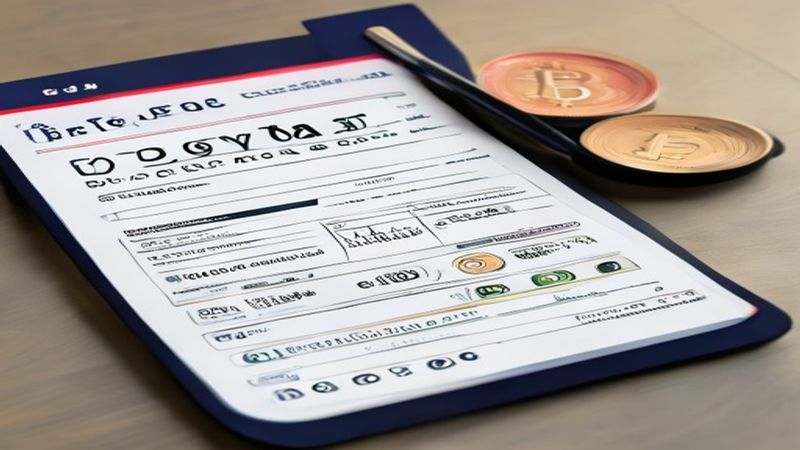
IRS Form 1099-DA: The 2026 Crypto Heir Survival Guide
Author: Davit Cho | Crypto Tax Specialist | CEO at JejuPanaTek (2012–Present) | Patent #10-1998821
Verification: Cross-referenced with IRS Treasury Decision 9992, Final Regulations on Digital Asset Reporting, and consultation with enrolled agents specializing in cryptocurrency taxation.
Last Updated: January 5, 2026
Disclosure: Independent analysis. No sponsored content. Contact: davitchh@gmail.com | LinkedIn
📌 Industry Analysis & Compliance Insights
Based on our review of IRS guidance documents, tax professional consultations, and analysis of early 1099-DA implementations by major exchanges, the most critical challenge facing crypto heirs in 2026 is establishing accurate cost basis for inherited assets. From my perspective, the intersection of step-up basis rules and new broker reporting requirements creates both tremendous opportunity and significant risk—heirs who understand the system can save hundreds of thousands in taxes, while those who don't may overpay dramatically or face IRS scrutiny for inconsistent reporting.
January 1, 2026 marked a watershed moment in cryptocurrency taxation. On that date, IRS Form 1099-DA requirements went into full effect, requiring cryptocurrency exchanges and brokers to report not just gross proceeds from sales, but also cost basis information for every transaction. This seemingly technical change has profound implications for anyone who inherits cryptocurrency—understanding these rules can mean the difference between paying zero capital gains tax and paying hundreds of thousands unnecessarily.
The new reporting regime ends over a decade of cryptocurrency operating in a relative tax reporting vacuum. While crypto gains have always been taxable, enforcement was difficult when the IRS had no systematic way to track transactions. Form 1099-DA changes this equation entirely, giving the IRS comprehensive visibility into cryptocurrency sales across all major platforms. For crypto heirs, this creates both challenges and opportunities that demand careful attention.
This guide provides everything crypto heirs need to navigate the new 1099-DA landscape. We will examine how the form works, what information is reported, how inherited cryptocurrency receives special treatment, and the critical steps heirs must take to ensure accurate reporting and maximum tax efficiency. Whether you have recently inherited crypto or expect to in the future, understanding these rules is essential to protecting your family's digital wealth.
🛡️ 100% Ad-Free Experience
At LegalMoneyTalk, we believe that complex financial and tax information should be delivered without distractions. To ensure the highest level of integrity and reader focus, this guide is completely free of advertisements. Our priority is your financial clarity.

Figure 1: IRS Form 1099-DA represents the most significant change in cryptocurrency tax reporting since Bitcoin's creation. Beginning in 2026, brokers must report both gross proceeds and cost basis information, creating unprecedented visibility into crypto transactions for tax enforcement.
📋 What is Form 1099-DA and Why It Matters
Form 1099-DA (Digital Assets) is the IRS's new information reporting form specifically designed for cryptocurrency and other digital asset transactions. Introduced through Treasury Decision 9992 and related guidance published in 2024, this form requires brokers—including cryptocurrency exchanges, certain wallet providers, and payment processors—to report detailed transaction information to both taxpayers and the IRS.
The form captures essential information including the type and amount of digital assets sold, the date of sale, gross proceeds received, cost basis (beginning in 2026), and whether the gain or loss is short-term or long-term. This information allows the IRS to match taxpayer returns against third-party reports, dramatically increasing the likelihood of detecting unreported cryptocurrency income.
For crypto heirs, Form 1099-DA presents unique considerations. When you inherit cryptocurrency, your cost basis is not the decedent's original purchase price—it is the fair market value on the date of death (or alternate valuation date). This stepped-up basis is one of the most valuable tax benefits in the entire tax code, potentially eliminating all capital gains that accumulated during the decedent's lifetime. However, exchanges may not automatically know that assets were inherited or what the correct stepped-up basis should be.
📊 Key Information Reported on Form 1099-DA
| Data Field | Description | Heir Implication |
|---|---|---|
| Gross Proceeds | Total sale amount in USD | Reported to IRS automatically |
| Cost Basis | Original acquisition cost | May need heir correction for step-up |
| Date Acquired | Original purchase date | Changes to date of death for heirs |
| Date Sold | Transaction date | Determines holding period |
| Gain/Loss Character | Short-term or long-term | Inherited assets deemed long-term |
| Digital Asset Type | Bitcoin, Ethereum, etc. | Identifies specific assets |
The significance of Form 1099-DA cannot be overstated. Prior to its implementation, cryptocurrency taxation relied heavily on voluntary compliance. Taxpayers were responsible for tracking their own transactions and reporting gains, and the IRS had limited tools to verify accuracy. Studies estimated that crypto tax compliance rates were below 50%, representing billions in uncollected revenue.
With 1099-DA reporting, the IRS now receives the same transaction data that taxpayers report. Their computers automatically flag discrepancies between reported income and 1099-DA information, triggering correspondence audits for mismatches. This matching program has historically been one of the IRS's most effective enforcement tools for other asset classes, and its application to cryptocurrency will dramatically increase compliance pressure.
The definition of broker under the new rules is expansive. It includes not just traditional cryptocurrency exchanges like Coinbase and Kraken, but also decentralized exchange front-ends that facilitate transactions, certain payment processors, and potentially some wallet providers. This broad definition ensures comprehensive reporting coverage across the cryptocurrency ecosystem.
📋 Understanding 1099-DA is critical for heirs!
Review official IRS guidance now.
📅 The 2024-2027 Implementation Timeline

Figure 2: The phased implementation of IRS cryptocurrency reporting requirements from 2024 through 2027. Understanding this timeline is essential for heirs to anticipate what information exchanges will report and when cost basis tracking becomes mandatory.
The IRS implemented Form 1099-DA requirements through a phased approach, giving exchanges time to build the necessary systems while gradually expanding reporting obligations. Understanding this timeline helps heirs anticipate what information will be reported about their transactions and when.
In 2024, the Treasury Department published final regulations in Treasury Decision 9992, establishing the legal framework for digital asset broker reporting. This gave the cryptocurrency industry approximately 18 months to prepare systems and processes before reporting obligations began. The final rules addressed numerous comments from industry stakeholders and clarified many ambiguities in the proposed regulations.
For tax year 2025 (forms issued in early 2026), brokers were required to report gross proceeds from cryptocurrency sales on Form 1099-DA. This first phase established the basic reporting infrastructure without requiring the more complex cost basis calculations. Taxpayers received their first 1099-DA forms in January 2026, covering 2025 transactions.
📆 1099-DA Implementation Milestones
| Date | Milestone | Heir Impact |
|---|---|---|
| July 2024 | Final regulations published (TD 9992) | Rules established for future reporting |
| January 1, 2025 | Gross proceeds reporting begins | Sales tracked but no basis reported |
| January 2026 | First 1099-DA forms issued (2025 data) | Heirs receive forms for inherited sales |
| January 1, 2026 | Cost basis reporting begins | Critical: basis may need heir correction |
| January 2027 | Full 1099-DA with basis (2026 data) | Complete reporting regime in effect |
| 2027+ | DeFi and additional broker coverage | Expanded reporting scope |
Beginning January 1, 2026, the full cost basis reporting requirement took effect. This means that for sales occurring in 2026 and later, exchanges must report both proceeds and cost basis, allowing the IRS to calculate gain or loss directly from the 1099-DA. This is the critical transition point for heirs, as exchanges may report incorrect basis for inherited assets unless properly notified.
The regulations also established a wallet-by-wallet or account-by-account tracking requirement beginning in 2026. This means brokers must track cost basis separately for each wallet or account, rather than using a universal pool method. For heirs who received inherited crypto transferred from the decedent's wallet, this creates an opportunity to establish the stepped-up basis correctly from the start.
Future phases will expand reporting to cover additional transaction types and potentially additional broker categories. The IRS has indicated that reporting for real estate transactions settled with cryptocurrency, certain decentralized finance activities, and non-fungible tokens may be addressed in subsequent guidance. Heirs should monitor these developments as the cryptocurrency regulatory landscape continues to evolve.
💰 Cost Basis Tracking: The New Requirements

Figure 3: The new cost basis tracking requirements under Form 1099-DA create a complex web of data flows between wallets, exchanges, and the IRS. Heirs must ensure their stepped-up basis is correctly recorded within this system to avoid overpaying taxes.
Cost basis tracking represents the most technically complex aspect of Form 1099-DA compliance. Under the new rules, brokers must track the cost basis of each digital asset unit from acquisition through sale, maintaining records that can span years or even decades. For cryptocurrency purchased directly on an exchange, this is relatively straightforward. For inherited cryptocurrency, it requires special handling.
The regulations require brokers to use a wallet-by-wallet tracking method beginning in 2026. Each wallet or account is treated as a separate pool of assets with its own cost basis records. When cryptocurrency is transferred between wallets (including transfers from a decedent's account to an heir's account), cost basis information should transfer with it. However, the mechanics of this transfer depend on both the sending and receiving platforms' capabilities.
For inherited cryptocurrency, the cost basis rules are fundamentally different than for purchased crypto. Under IRC Section 1014, property acquired from a decedent receives a stepped-up basis equal to fair market value on the date of death (or alternate valuation date if elected). This means the heir's cost basis is NOT the decedent's original purchase price—it is the value at death. This distinction is worth potentially hundreds of thousands of dollars in tax savings.
📈 Cost Basis Methods Under 1099-DA
| Method | Description | Heir Consideration |
|---|---|---|
| FIFO (First In, First Out) | Oldest units sold first | Default method if none specified |
| LIFO (Last In, First Out) | Newest units sold first | May benefit recent inheritance |
| HIFO (Highest In, First Out) | Highest cost units sold first | Minimizes current gain |
| Specific Identification | Choose exact units to sell | Maximum flexibility for heirs |
| Wallet-by-Wallet (2026+) | Separate tracking per account | Inherited wallet gets stepped-up basis |
The specific identification method offers the greatest flexibility for heirs. By specifically identifying which units are being sold, heirs can choose to sell inherited units (with stepped-up basis) before units purchased personally (with lower original basis). This allows strategic tax planning to minimize current-year gains while preserving lower-basis units for future sales or further appreciation.
When cryptocurrency is transferred from a decedent's exchange account to an heir's account, the exchange may or may not automatically recognize the stepped-up basis. Some exchanges have implemented inheritance transfer procedures that allow heirs to submit death certificates and establish correct basis. Others may transfer the decedent's original basis records, requiring the heir to manually adjust on their tax return.
Documentation is critical for heirs claiming stepped-up basis. The IRS may request evidence supporting the fair market value used as basis, including the date of death, the specific assets inherited, and the valuation methodology. Heirs should retain death certificates, estate documentation, exchange records showing values on the death date, and any appraisals or valuations prepared for estate purposes.
For cryptocurrency held in self-custody wallets rather than exchanges, cost basis tracking becomes the heir's responsibility entirely. Hardware wallets and software wallets do not report to the IRS, and no 1099-DA is generated for transfers between self-custody addresses. Heirs who receive inherited crypto directly to their own wallet must maintain their own records of stepped-up basis for eventual reporting when the assets are sold through a broker.
🏛️ How Inherited Crypto is Treated Differently

Figure 4: Side-by-side comparison of tax treatment for inherited versus purchased cryptocurrency. The step-up in basis provision under IRC Section 1014 can eliminate decades of accumulated gains, making inheritance dramatically more tax-efficient than lifetime gifts.
Inherited cryptocurrency receives fundamentally different tax treatment than purchased cryptocurrency, and understanding these differences is essential for heirs navigating Form 1099-DA. Three key distinctions apply: stepped-up basis, automatic long-term holding period, and special documentation requirements. Each provides significant tax advantages when properly understood and applied.
The stepped-up basis rule under IRC Section 1014 is the most valuable benefit for crypto heirs. When property is inherited at death, the heir's cost basis equals fair market value on the date of death—not the original purchase price. If a decedent bought Bitcoin at $1,000 and it was worth $100,000 at death, the heir's basis is $100,000. All $99,000 of appreciation during the decedent's lifetime is permanently excluded from capital gains taxation.
The holding period rule provides additional benefits. Regardless of how long the decedent held the cryptocurrency or how soon after death the heir sells it, inherited property is automatically treated as long-term. This means the preferential long-term capital gains rates (0%, 15%, or 20% depending on income) apply rather than ordinary income rates that can reach 37%. An heir could inherit crypto on Monday and sell it on Tuesday, and any gain would still qualify for long-term treatment.
💵 Inherited vs. Purchased Crypto Tax Comparison
| Factor | Inherited Crypto | Purchased Crypto |
|---|---|---|
| Cost Basis | FMV at death (stepped-up) | Actual purchase price |
| Holding Period | Automatic long-term | Must hold 1+ year for LTCG |
| Prior Gains Taxed | No (eliminated at death) | Yes (when sold) |
| 1099-DA Reporting | May need heir adjustment | Reported automatically |
| Documentation Needed | Death certificate, valuation | Purchase records |
Consider this example illustrating the dramatic tax difference. A parent bought 10 Bitcoin in 2015 for $3,000 total ($300 each). At their death in 2025, those 10 Bitcoin were worth $950,000 ($95,000 each). Their child inherits the Bitcoin with a stepped-up basis of $950,000. If the child sells immediately for $950,000, they owe zero capital gains tax. If the parent had sold before death, they would have owed approximately $225,000 in federal capital gains tax on the $947,000 gain.
The alternate valuation date election can provide additional benefits in declining markets. If the estate elects alternate valuation under IRC Section 2032, property is valued six months after death (or at disposition if sold earlier). If cryptocurrency values declined significantly after death, using the alternate valuation date as the heir's stepped-up basis could actually exceed the death date value, providing additional tax benefits when prices recover.
Contrast inherited crypto with gifted crypto, which receives carryover basis. If the same parent had gifted the 10 Bitcoin during their lifetime instead of leaving it at death, the child would inherit the parent's $3,000 basis. When the child eventually sells for $950,000, they owe capital gains tax on $947,000—the exact tax the step-up in basis would have eliminated. This distinction makes deathbed planning critical for appreciated crypto assets.
🔍 Example: Tax Savings from Step-Up in Basis
| Scenario | Basis | Sale Price | Taxable Gain | Tax (23.8%) |
|---|---|---|---|---|
| Parent Sells Before Death | $3,000 | $950,000 | $947,000 | $225,386 |
| Child Inherits (Gift) | $3,000 | $950,000 | $947,000 | $225,386 |
| Child Inherits (Death) | $950,000 | $950,000 | $0 | $0 |
⚠️ Common Mistakes Heirs Make with 1099-DA
The intersection of Form 1099-DA reporting and inherited cryptocurrency creates numerous opportunities for costly mistakes. Understanding these common errors helps heirs avoid overpaying taxes or triggering unnecessary IRS scrutiny. Each mistake represents real money lost or compliance headaches that proper planning could have prevented.
The most expensive mistake is accepting the 1099-DA basis without correction. When an heir inherits cryptocurrency on an exchange and sells it, the exchange may report the decedent's original basis rather than the stepped-up basis. If the heir simply reports the 1099-DA figures without adjustment, they pay tax on gains that should have been eliminated at death. This single mistake can cost tens or hundreds of thousands of dollars.
Failing to document stepped-up basis creates long-term problems. Even if an heir correctly claims stepped-up basis on their tax return, the IRS may request substantiation. Without death certificates, estate valuations, and records of the cryptocurrency's value on the date of death, the heir may be unable to prove their claimed basis. The IRS could then assess additional tax based on zero basis or the decedent's original basis.
🚨 Critical Heir Mistakes with 1099-DA
| Mistake | Consequence | Solution |
|---|---|---|
| Accepting incorrect 1099-DA basis | Overpaying tax by $100,000+ | Adjust basis on Form 8949 |
| No documentation of death date value | Cannot prove stepped-up basis | Record FMV immediately at death |
| Mixing inherited and purchased crypto | Basis confusion, wrong tax | Keep inherited crypto in separate wallet |
| Not notifying exchange of inheritance | Wrong basis on future 1099-DAs | Complete inheritance transfer process |
| Using wrong valuation date | Higher or lower basis than entitled | Confirm date of death vs alternate date |
| Ignoring 1099-DA entirely | IRS matching notice, penalties | Always report, adjust if needed |
Mixing inherited cryptocurrency with purchased cryptocurrency in the same wallet or exchange account creates basis tracking nightmares. When the heir later sells, determining which units are inherited (with stepped-up basis) versus purchased (with original basis) becomes difficult. The safest approach is keeping inherited crypto in a separate account or wallet from personally acquired holdings.
Failing to complete the exchange's inheritance transfer process is surprisingly common. Many heirs gain access to a decedent's exchange account and simply begin trading without formally establishing their heir status. This means the exchange continues treating the account as belonging to the decedent, with the decedent's basis records. When sales occur, the 1099-DA reflects incorrect information tied to the decedent's social security number and basis.
Using the wrong valuation date can either cost money or trigger audit risk. The default basis for inherited property is fair market value on date of death. However, if the estate elected alternate valuation (six months later), that date determines basis instead. Heirs must coordinate with the estate executor to confirm which valuation date was elected and use the corresponding value consistently.
Some heirs make the opposite mistake of over-claiming stepped-up basis. Cryptocurrency received as a lifetime gift, rather than inheritance at death, does not qualify for step-up. Neither does crypto in certain types of trusts or crypto purchased by the decedent after the heir was identified as beneficiary in some circumstances. Incorrectly claiming stepped-up basis is tax fraud and can result in penalties and interest.
✅ The Heir's 1099-DA Compliance Checklist

Figure 5: The comprehensive compliance checklist for crypto heirs navigating Form 1099-DA requirements. Following these steps systematically ensures accurate reporting, maximum tax efficiency, and protection against IRS inquiries.
Navigating Form 1099-DA as a crypto heir requires systematic attention to detail. The following checklist provides a comprehensive framework for compliance, organized by timing relative to inheritance and tax filing. Completing each step helps ensure accurate reporting and maximum tax efficiency while minimizing audit risk.
📋 Immediate Actions (Upon Learning of Inheritance)
| Action | Priority | Notes |
|---|---|---|
| Document FMV on date of death for all crypto | Critical | Screenshot exchange prices, record values |
| Obtain certified death certificate copies | Critical | Exchanges require certified copies |
| Inventory all decedent crypto holdings | High | Exchanges, wallets, DeFi positions |
| Secure access to decedent accounts | High | Work with executor for credentials |
| Confirm valuation date (DOD vs alternate) | High | Coordinate with estate executor |
📋 Transfer Phase Actions
| Action | Priority | Notes |
|---|---|---|
| Complete exchange inheritance process | Critical | Submit required documentation |
| Establish heir account with stepped-up basis | Critical | Provide DOD values to exchange |
| Keep inherited crypto in separate account | High | Do not mix with purchased crypto |
| Transfer self-custody crypto with records | High | Document basis for each transfer |
| Verify exchange basis records match your records | Medium | Request confirmation from exchange |
📋 Tax Filing Phase Actions
| Action | Priority | Notes |
|---|---|---|
| Collect all 1099-DA forms received | Critical | From every exchange used |
| Compare 1099-DA basis to your records | Critical | Identify discrepancies |
| Prepare Form 8949 with corrections if needed | Critical | Use column (f) for adjustments |
| Attach explanation for basis adjustments | High | Reference inheritance, IRC 1014 |
| Retain all documentation for 7+ years | High | Death cert, valuations, estate docs |
When your 1099-DA reports incorrect basis for inherited cryptocurrency, you must adjust on Form 8949. Report the 1099-DA information in columns (a) through (e), then use column (f) for adjustment code "B" (basis reported to IRS is incorrect) and column (g) to enter the adjustment amount. The result in column (h) should reflect your correct gain or loss using stepped-up basis.
Attach a statement to your return explaining the adjustment. A simple explanation such as "Basis adjusted to reflect stepped-up basis under IRC Section 1014 for cryptocurrency inherited from [Decedent Name] who died on [Date]. Fair market value on date of death was [Amount] per [Source]" provides sufficient context for IRS processing.
Consider engaging a tax professional experienced with cryptocurrency and estate matters. The intersection of 1099-DA reporting, inherited asset basis rules, and cryptocurrency taxation creates complexity that benefits from expert guidance. The cost of professional assistance is typically far less than the tax savings from proper basis reporting or the penalties from compliance errors.
✅ Ensure your 1099-DA compliance is complete!
Access official IRS resources.
❓ FAQ (30 Questions Answered)
Q1. What is IRS Form 1099-DA?
A1. Form 1099-DA is the IRS's new information reporting form for digital asset transactions. Beginning in 2025, cryptocurrency exchanges must use this form to report sales proceeds to both taxpayers and the IRS, with cost basis reporting added in 2026.
Q2. When did Form 1099-DA requirements take effect?
A2. Gross proceeds reporting began for tax year 2025 (forms issued January 2026). Cost basis reporting began January 1, 2026, meaning full basis information will appear on forms issued in January 2027 for 2026 transactions.
Q3. Does inherited cryptocurrency get a step-up in basis?
A3. Yes, under IRC Section 1014, inherited cryptocurrency receives a stepped-up basis equal to fair market value on the date of death (or alternate valuation date if elected). This eliminates all gains that accumulated during the decedent's lifetime.
Q4. Will my 1099-DA show the correct stepped-up basis for inherited crypto?
A4. Possibly not. Exchanges may not automatically know assets were inherited or what the stepped-up basis should be. You may need to correct the basis on your tax return using Form 8949, even if the 1099-DA shows different figures.
Q5. How do I correct an incorrect basis on my 1099-DA?
A5. Report the 1099-DA information on Form 8949, then use column (f) with adjustment code "B" and column (g) for the adjustment amount. Attach an explanation referencing IRC Section 1014 and the stepped-up basis for inherited property.
Q6. What documentation do I need to prove stepped-up basis?
A6. Key documents include certified death certificate, estate documentation showing you as heir, records of cryptocurrency values on date of death (exchange statements, price data), and any formal appraisals prepared for the estate.
Q7. Is inherited crypto automatically long-term for capital gains purposes?
A7. Yes, inherited property is automatically treated as long-term regardless of how long the decedent held it or how soon after inheritance you sell. This qualifies gains for preferential long-term capital gains rates (0%, 15%, or 20%).
Q8. What if my 1099-DA shows zero basis?
A8. Zero basis typically means the exchange doesn't have basis records. For inherited crypto, calculate your stepped-up basis (FMV at death) and report it on Form 8949 with an adjustment. Never accept zero basis if you have legitimate basis to claim.
Q9. Should I notify the exchange that I inherited the cryptocurrency?
A9. Yes, completing the exchange's inheritance transfer process ensures your account is properly established with correct basis records. This may prevent incorrect 1099-DA reporting for future sales.
Q10. What is the alternate valuation date and should I use it?
A10. The alternate valuation date is six months after death, elected by the estate. It may provide higher basis if crypto values declined after death. The decision is made by the executor for estate tax purposes, and heirs must use the same date for basis.
Q11. Can I mix inherited crypto with crypto I purchased myself?
A11. While legally possible, it creates basis tracking complications. Keeping inherited crypto in a separate wallet or account makes it easier to identify which assets have stepped-up basis versus your original purchase basis.
Q12. What cost basis methods are available under 1099-DA?
A12. Available methods include FIFO (first in, first out), LIFO (last in, first out), HIFO (highest in, first out), and specific identification. Specific identification offers the most flexibility for heirs to optimize tax outcomes.
Q13. Does crypto held in a hardware wallet receive a 1099-DA?
A13. No, self-custody wallets do not report to the IRS. A 1099-DA is only generated when you sell crypto through a broker (exchange). Heirs holding inherited crypto in self-custody must track basis independently.
Q14. What if the decedent's crypto was held on multiple exchanges?
A14. You may receive multiple 1099-DA forms. Complete the inheritance process with each exchange separately, establish stepped-up basis at each, and aggregate all forms when filing your tax return.
Q15. Is gifted crypto treated the same as inherited crypto for basis?
A15. No, gifted crypto receives carryover basis (the donor's original basis), not stepped-up basis. Only crypto transferred at death qualifies for step-up. This distinction can mean hundreds of thousands in tax differences.
Q16. How do I determine fair market value on date of death?
A16. Use the average of high and low prices on major exchanges for that date, or a single reputable exchange's price. For less liquid assets, professional appraisal may be needed. Document your methodology.
Q17. What if the decedent died on a weekend when markets were slow?
A17. Cryptocurrency markets trade 24/7/365, so values are available for any date. Use the price on the actual date of death, even if it falls on a weekend or holiday.
Q18. Are staking rewards earned after death also inherited?
A18. Staking rewards earned after death are income to the estate or heir, not inherited property. These rewards have basis equal to fair market value when received and do not qualify for step-up treatment.
Q19. What penalties apply if I ignore 1099-DA discrepancies?
A19. The IRS computers match 1099-DA reports against your return. Discrepancies trigger CP2000 notices assessing additional tax plus interest. If you disagree with the assessment, you must respond with documentation supporting your position.
Q20. Can the executor sell crypto before distributing to heirs?
A20. Yes, and this may be appropriate for paying estate debts or taxes. The estate reports the sale using stepped-up basis. However, distributing crypto in-kind to heirs preserves their ability to defer gains further.
Q21. How does 1099-DA interact with Form 8949?
A21. 1099-DA provides the information you report on Form 8949. You transcribe the data from 1099-DA to Form 8949, making any necessary basis adjustments, then carry totals to Schedule D of your Form 1040.
Q22. What if the exchange goes bankrupt before issuing my 1099-DA?
A22. You must still report your transactions based on your own records. Keep transaction histories, download statements regularly, and maintain independent records to protect against exchange failures.
Q23. Are DeFi transactions reported on 1099-DA?
A23. Not yet fully, though the IRS has indicated future guidance will address DeFi. Some front-ends may begin reporting. Currently, most pure DeFi transactions remain self-reported based on your own records.
Q24. How long should I keep 1099-DA records?
A24. Retain records for at least seven years after filing the return reporting the sale. For inherited crypto, keep documentation proving stepped-up basis indefinitely, as the IRS can question basis years later.
Q25. What if I inherited crypto from someone in another country?
A25. US tax treatment depends on your residency status, not the decedent's. US persons receiving inherited crypto from foreign decedents still qualify for stepped-up basis under IRC 1014, but additional reporting (Form 3520) may be required.
Q26. Does NFT inheritance work the same way as cryptocurrency?
A26. Yes, NFTs qualify for stepped-up basis at death under the same IRC Section 1014 rules. Valuation may be more complex for unique or illiquid NFTs, potentially requiring professional appraisal.
Q27. Can I amend prior returns if I overpaid due to wrong basis?
A27. Yes, file Form 1040-X to amend returns within three years of the original due date. If you used incorrect basis for inherited crypto and overpaid, amended returns can recover the overpayment plus interest.
Q28. What if the decedent never reported crypto on their tax returns?
A28. The heir still qualifies for stepped-up basis regardless of the decedent's compliance. However, the estate may have obligations to file final returns and address any unreported income or gains of the decedent.
Q29. Is there software to help track inherited crypto basis?
A29. Yes, crypto tax software like CoinTracker, Koinly, and TaxBit allow manual entry of inherited assets with custom basis. These tools can then track subsequent transactions and generate Form 8949 reports.
Q30. Should I hire a tax professional for inherited crypto?
A30. For significant inherited crypto holdings, professional guidance is highly recommended. The intersection of estate law, basis rules, and 1099-DA reporting creates complexity where errors are costly. Professional fees typically pale compared to potential tax savings or avoided penalties.
Official Government & Regulatory Resources
Verify information and stay compliant with authoritative sources
These links direct to official U.S. government websites for verification purposes.
⚖️ Legal and Financial Disclaimer
The information provided in this article is for educational and informational purposes only and does not constitute legal, tax, or financial advice. Tax laws change frequently, and individual circumstances vary significantly. Before making any tax decisions regarding inherited cryptocurrency or Form 1099-DA compliance, consult with qualified tax professionals and estate planning attorneys licensed in your jurisdiction. This content reflects regulations as of January 2026 and may not account for subsequent changes. The author and publisher disclaim any liability for actions taken based on this information.
🖼️ Image Usage Notice
Some images in this article are AI-generated visualizations created to illustrate concepts discussed in the text. They are intended for educational purposes and may not represent actual IRS forms, documents, or specific tax scenarios. For official form images and instructions, please refer to IRS.gov.
📚 Related Articles from LegalMoneyTalk