Translate

Translate

πŸ’‘ Hot Blog Picks — Best Insights at a Glance

Expert takes & practical tips. Tap a topic to dive in πŸ‘‡

πŸ’„ Beauty & Homecare
πŸ’° Finance • Crypto • Legal
Showing posts with label Schedule D. Show all posts

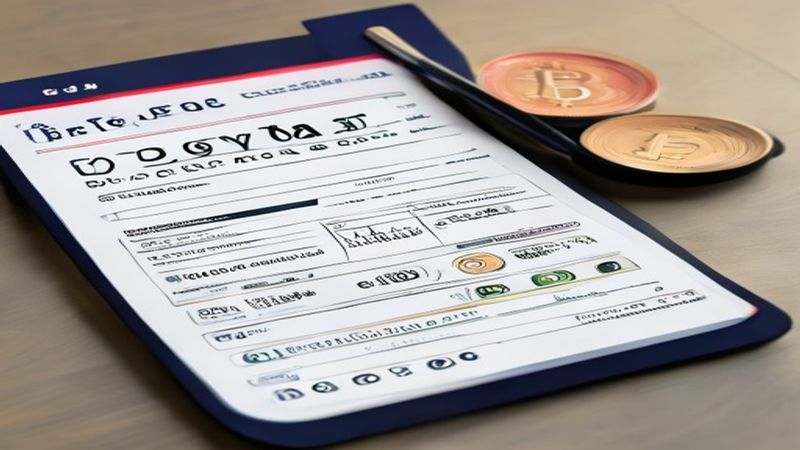
1099-DA Crypto Tax Form 2026 — First Year Guide

1099-DA Crypto Tax Form 2026

✍️ Author Information

Written by: Davit Cho

Crypto Tax Specialist | CEO at JejuPanaTek (2012~) | Patent Holder (Patent #10-1998821)

7+ years crypto investing experience since 2017 | Personally filed crypto taxes since 2018

LinkedIn: linkedin.com/in/davit-cho-crypto

Email: davitchh@gmail.com

Blog: legalmoneytalk.blogspot.com

Last Updated: December 26, 2025 | Fact-Checked: Based on IRS Publications & Official Guidelines


2026 marks a major shift in how the IRS tracks cryptocurrency transactions. For the first time ever, crypto exchanges and brokers are required to send Form 1099-DA to both investors and the IRS — creating a paper trail that didn't exist before.


When I think about it, this is the biggest change to crypto tax reporting since the IRS first declared crypto as property in 2014. If you've been flying under the radar, those days are officially over. The IRS will now know exactly what you traded, when you traded it, and potentially how much you made.


This comprehensive guide covers everything you need to know about Form 1099-DA — what it is, who receives it, what information it contains, and how to use it correctly when filing your 2025 tax return in 2026.


πŸ“„ 1099-DA Quick Facts 2026

πŸ“… First Year Required: 2026 (for 2025 transactions)

πŸ“¬ Mailing Deadline: January 31, 2026

🏒 Who Sends: Exchanges, brokers, custodians

⚠️ DeFi/Self-Custody: NOT included (you must self-report)


πŸ“„ What Is Form 1099-DA?


Form 1099-DA (Digital Assets) is a brand new IRS tax form specifically designed for reporting cryptocurrency and digital asset transactions. It's the crypto equivalent of Form 1099-B that stock brokers have used for decades to report securities transactions.


The form was created as part of the Infrastructure Investment and Jobs Act of 2021, which expanded the definition of "broker" to include cryptocurrency exchanges. After years of delays and industry pushback, the IRS finalized the regulations in 2024, making 2026 the first year these forms will be issued.


Before 1099-DA, crypto exchanges issued Form 1099-K or 1099-MISC inconsistently, and often only reported gross proceeds — not the detailed transaction-by-transaction data the IRS wanted. Many exchanges issued nothing at all. This made it easy for crypto investors to underreport or completely ignore their tax obligations.


The new form changes everything. It requires brokers to report detailed information about each transaction, including proceeds, cost basis (when available), and gain or loss calculations. The IRS receives a copy, your state tax agency may receive a copy, and you receive a copy.


πŸ“„ 1099-DA vs Previous Forms

Form What It Reported Limitation
1099-K (old) Gross payment volume No cost basis, no gain/loss
1099-MISC (old) Staking/rewards income No transaction details
1099-DA (new) Each transaction with cost basis Centralized exchanges only

Source: IRS Notice 2024-56 | Infrastructure Investment and Jobs Act 2021


The goal is simple: make crypto tax reporting as standardized and unavoidable as stock trading. No more claiming you "didn't know" you owed taxes. No more hoping the IRS wouldn't notice your trades. The information is now automatically shared.


This represents a fundamental shift in how the IRS approaches crypto enforcement. Instead of relying on audits and investigations to catch tax evaders, they're building a system where compliance is the default because all the data is already in their hands.


For honest taxpayers who've been reporting correctly all along, this is actually good news — the form makes tax preparation easier. For those who haven't been reporting, it's time to get compliant before the IRS comes knocking.


πŸ“š Official IRS Resources

IRS guidance on digital asset reporting requirements.

πŸ“– IRS Digital Assets Guidance

πŸ“– About Form 1099-DA


πŸ‘€ Who Will Receive a 1099-DA?


Not everyone who owns crypto will receive a 1099-DA. The form is only issued by entities classified as "brokers" under the new IRS regulations. Understanding who does and doesn't send these forms is critical for proper tax reporting.


If you traded on a major centralized exchange like Coinbase, Kraken, Gemini, or Binance US during 2025, you will receive a 1099-DA in early 2026. These platforms are definitively classified as brokers and are required to report your transactions.


The threshold for receiving a form is any reportable transaction — there's no minimum dollar amount like the old 1099-K rules. Even if you made one small trade, you should expect to receive a form. If you only bought crypto and never sold, you typically won't receive a 1099-DA because purchases aren't taxable events.


Custodial wallet services that facilitate sales may also send 1099-DAs. If your wallet allows you to sell crypto directly for fiat currency, the company operating that wallet may be considered a broker.


πŸ‘€ Who Sends 1099-DA — and Who Doesn't

Platform Type Sends 1099-DA? Your Responsibility
Coinbase, Kraken, Gemini Yes Verify accuracy
Binance US, Crypto.com Yes Verify accuracy
Uniswap, SushiSwap (DEX) No Full self-reporting
MetaMask, Ledger (self-custody) No Full self-reporting
Foreign exchanges (Binance.com) No (for now) Full self-reporting
Peer-to-peer trades No Full self-reporting

Source: IRS Final Regulations on Digital Asset Broker Reporting 2024


Decentralized exchanges (DEXs) like Uniswap, SushiSwap, and PancakeSwap are currently NOT required to send 1099-DAs. The IRS tried to include them but faced legal and technical challenges. For now, DEX transactions must be self-reported — the IRS won't receive automatic notification of your trades.


Self-custody wallets like MetaMask, Ledger, or Trezor don't send 1099-DAs. These are just software or hardware that holds your keys — they don't facilitate trades. Any transactions you make from self-custody wallets must be tracked and reported by you.


Foreign exchanges present a gray area. Exchanges based outside the US may not be subject to 1099-DA requirements. However, US taxpayers are still legally required to report all income regardless of whether they receive a form. Using a foreign exchange doesn't make your gains tax-free.


The key takeaway: receiving a 1099-DA doesn't mean you're compliant, and NOT receiving one doesn't mean you're off the hook. You're responsible for reporting all taxable transactions regardless of what forms you receive.


⚠️ DeFi Users: You Must Self-Report

DEX trades, DeFi yields, and self-custody transactions won't appear on any 1099-DA. You're still legally required to report them.

πŸ“– Best Crypto Tax Software for DeFi Tracking


πŸ“Š What Information Is Reported?


Form 1099-DA contains detailed transaction-level information that gives the IRS a complete picture of your crypto trading activity. Understanding each field helps you verify accuracy and prepare for filing.


The form reports every disposal event — sales, trades, and exchanges — that occurred on the platform during the tax year. A disposal is any time you give up ownership of crypto, whether you sold it for cash, traded it for another cryptocurrency, or used it to buy goods or services.


For each transaction, the form includes the date of the transaction, the type and amount of cryptocurrency sold, the gross proceeds (fair market value at time of sale), and ideally the cost basis. The difference between proceeds and cost basis is your gain or loss.


Cost basis reporting is the trickiest part. Exchanges can only report cost basis for crypto you purchased directly on their platform. If you transferred crypto in from another exchange or wallet, they don't know what you originally paid for it. In these cases, the cost basis field may be blank or marked as "unknown."


πŸ“Š Key Fields on Form 1099-DA

Field Description Example
Box 1a: Digital Asset Description What you sold 0.5 BTC
Box 1b: Date Acquired When you bought it 03/15/2024
Box 1c: Date of Sale When you sold it 11/20/2025
Box 1d: Proceeds Sale price in USD $52,500
Box 1e: Cost Basis What you paid $35,000
Box 1g: Gain or Loss Proceeds minus cost basis $17,500

Source: IRS Form 1099-DA Draft Instructions 2024


The holding period determines whether your gain is short-term or long-term. If you held the crypto for one year or less, it's short-term (taxed at ordinary income rates up to 37%). If you held it longer than one year, it's long-term (taxed at preferential rates of 0%, 15%, or 20%).


Staking rewards, airdrops, and mining income may be reported on a separate section or a different form entirely. These are treated as ordinary income when received, not capital gains. The 1099-DA primarily focuses on capital transactions.


Transaction fees are important but handled inconsistently. In theory, fees should be added to your cost basis (when buying) or subtracted from proceeds (when selling), reducing your taxable gain. Make sure your form reflects this correctly.


Crypto-to-crypto trades are fully taxable and will be reported. If you traded 1 BTC for 15 ETH, that's a disposal of BTC. The "proceeds" is the fair market value of the ETH you received, and your gain is the difference between that value and your BTC cost basis.


Wash sales are NOT currently adjusted on 1099-DA. Unlike stocks, the wash sale rule doesn't apply to crypto yet, so you can harvest losses and immediately repurchase. If this changes in the future, the form may need to reflect disallowed losses.


πŸ’‘ No Wash Sale Rule for Crypto (Yet)

Unlike stocks, you can sell crypto at a loss and immediately rebuy without losing the deduction.

πŸ“– Crypto Wash Sale Rules 2026 — Full Guide


πŸ“… Timeline and Deadlines


Understanding the 1099-DA timeline helps you prepare for tax season and know when to expect your forms. Missing these dates or ignoring discrepancies can lead to IRS notices and penalties.


Brokers are required to mail 1099-DA forms to taxpayers by January 31, 2026. This is the same deadline as other 1099 forms. You should receive your form by mid-February at the latest. Many exchanges also provide electronic access through their platforms earlier than the mail date.


The IRS receives their copy of your 1099-DA by the same deadline. This means by the time you file your return, the IRS already knows about your transactions. If your return doesn't match what they have on file, it will trigger a notice.


Your tax return deadline is April 15, 2026 for most taxpayers. If you need more time, you can file for an extension until October 15, 2026 — but remember, an extension to file is not an extension to pay. You must estimate and pay any taxes owed by April 15 to avoid penalties and interest.


πŸ“… Key 2026 Tax Dates for Crypto Investors

Date Event Action Required
January 15, 2026 Q4 2025 estimated tax due Pay estimated taxes
January 31, 2026 1099-DA mailing deadline Watch for forms
February 15, 2026 Should have received all forms Contact exchanges if missing
April 15, 2026 Tax return due File or extend
October 15, 2026 Extended return due File if extended

Source: IRS Publication 509 | Tax Calendar for 2026


If you don't receive a 1099-DA by mid-February, log into your exchange accounts to check for electronic delivery. Many platforms now default to electronic forms. If you still can't find it, contact customer support — you may need to request a replacement.


Don't wait for your 1099-DA to start preparing. Most exchanges provide downloadable transaction history throughout the year. Use this data with crypto tax software to generate preliminary calculations before your official forms arrive.


If you receive a corrected 1099-DA after filing your return, you may need to amend. Exchanges sometimes issue corrections in February or March if they discover errors. Compare any corrected forms to your already-filed return and amend if the differences are material.


Keep your 1099-DA forms for at least seven years. The IRS can audit returns up to three years back (six years if there's substantial underreporting), and having the original forms is essential for defending your positions.


πŸ“… Full Q1 2026 Tax Calendar

All critical crypto tax deadlines in one place.

πŸ“– Q1 2026 Crypto Tax Calendar — All Deadlines


πŸ’‘ How to Use Your 1099-DA for Filing


Once you receive your 1099-DA, the next step is transferring that information to your tax return. The process is similar to reporting stock sales, using Form 8949 and Schedule D. Here's how to do it correctly.


First, verify your 1099-DA is accurate. Compare the transactions listed against your own records. Check that dates, amounts, and cost basis figures match what you expected. Exchanges make mistakes, especially with cost basis for transferred crypto.


If your 1099-DA shows "unknown" cost basis, you must calculate it yourself. Look back at your purchase records — when did you originally buy the crypto, and what did you pay? This is why keeping good records throughout the year is so important.


Report each transaction on Form 8949 (Sales and Other Dispositions of Capital Assets). You'll list the crypto type, date acquired, date sold, proceeds, cost basis, and gain or loss. The form has two sections: short-term (held one year or less) and long-term (held more than one year).


πŸ’‘ Step-by-Step Filing Process

Step Action Form
1 Receive and verify 1099-DA 1099-DA
2 Calculate missing cost basis Your records
3 List each transaction Form 8949
4 Summarize gains/losses Schedule D
5 Transfer to main return Form 1040

Source: IRS Form 8949 Instructions | Schedule D Instructions


After completing Form 8949, transfer the totals to Schedule D (Capital Gains and Losses). This form calculates your total capital gains or losses and determines how much tax you owe. The final figure then flows to your Form 1040 (main tax return).


If you have hundreds of transactions, you can summarize them rather than listing each one individually. Attach a statement with the transaction details and write "See attached statement" on Form 8949. Most crypto tax software generates this format automatically.


Use code "B" or "E" in Column (f) of Form 8949 to indicate the 1099-DA was received but cost basis was not reported to the IRS. This tells the IRS you're providing the cost basis yourself. Using the wrong code can trigger unnecessary notices.


Don't forget about crypto income that's NOT on Form 1099-DA. Staking rewards, mining income, airdrops, and payments received in crypto are taxed as ordinary income and reported elsewhere — typically Schedule 1 (Additional Income) or Schedule C (if it's a business).


Consider using crypto tax software like CoinTracker, Koinly, or TaxBit. These platforms import data directly from exchanges, calculate gains/losses, and generate IRS-ready forms. They're especially useful if you have multiple exchanges, DeFi transactions, or complex trading history.


πŸ’‘ Simplify Your Filing

Crypto tax software automates Form 8949 generation.

πŸ“– Best Crypto Tax Software 2026 Compared


⚠️ Common Issues and How to Fix Them


The first year of any new tax form comes with growing pains. Expect some issues with your 1099-DA. Knowing the common problems and how to resolve them prevents filing delays and IRS headaches.


Missing cost basis is the most common issue. If you transferred crypto to an exchange from an external wallet, the exchange doesn't know what you paid for it. Your 1099-DA may show proceeds but no cost basis — or worse, may assume zero cost basis, making your gains look much larger than they are.


The fix: Calculate cost basis yourself using your original purchase records. Report the correct cost basis on Form 8949 and be prepared to substantiate it if the IRS asks. Keep records of your original purchase confirmations, bank statements, or wallet transaction history.


Duplicate reporting can happen if you use multiple exchanges. If you transferred crypto from Exchange A to Exchange B, both might report the disposal. Make sure you're not accidentally reporting the same transaction twice.


⚠️ Common 1099-DA Problems and Solutions

Problem Cause Solution
Missing cost basis Transferred crypto in Calculate and report yourself
Incorrect proceeds Exchange calculation error Request corrected form
Duplicate transactions Multiple exchanges Reconcile and eliminate duplicates
Missing transactions Technical issues Add from your own records
Wrong holding period Transfer date used instead of purchase Correct on Form 8949
Form never received Mailing/email issue Check online, contact support

Document all discrepancies and corrections in case of IRS inquiry


Wrong holding period classification is another issue. If you transferred long-term holdings to a new exchange and then sold, the exchange may classify the sale as short-term because they only see when you deposited to their platform — not when you originally bought.


The fix: Override the holding period on Form 8949 using your actual purchase date. The IRS allows you to report the correct holding period even if the 1099-DA shows something different. Just make sure you have records to prove it.


Timing discrepancies between exchanges can cause confusion. If you sold crypto at 11:58 PM on December 31st on the East Coast, but the exchange runs on UTC time, it might show as January 1st. This could affect which tax year the transaction falls into.


If you believe your 1099-DA contains material errors, contact the exchange to request a corrected form. Exchanges are required to issue corrected 1099s when they become aware of errors. Document your communication in case you need to prove you tried to resolve the issue.


When in doubt, report what's correct — not what's on the form. If you have documentation supporting a different figure than what's on your 1099-DA, use your figures. Just be prepared to explain the discrepancy if the IRS asks.


⚠️ Avoid IRS Red Flags

Large discrepancies between your return and 1099-DA can trigger audits.

πŸ“– IRS Crypto Audit Red Flags 2026


❓ FAQ


Q1. When will I receive my 1099-DA?


A1. Exchanges must mail 1099-DA forms by January 31, 2026. You should receive yours by mid-February. Many exchanges also provide electronic access through their platforms, which may be available earlier. Check your exchange account settings to ensure your address and email are current.


Q2. What if I only bought crypto and never sold?


A2. You likely won't receive a 1099-DA. The form only reports disposals — sales, trades, or exchanges. Simply buying and holding crypto is not a taxable event. However, if you received staking rewards, airdrops, or other income, those may be reported on different forms.


Q3. Will DeFi transactions be on my 1099-DA?


A3. No. Decentralized exchanges (DEXs) and DeFi protocols are not currently required to issue 1099-DA forms. You must track and report these transactions yourself. Use crypto tax software or blockchain explorers to compile your DeFi transaction history.


Q4. What if my 1099-DA shows wrong cost basis?


A4. Report the correct cost basis on Form 8949. Use code "B" (short-term) or "E" (long-term) in Column (f) to indicate you're correcting the basis. Keep documentation of your actual purchase to support your figures if the IRS asks.


Q5. Do I need to report transactions not on the 1099-DA?


A5. Yes. You're legally required to report all taxable transactions regardless of whether you receive a form. DEX trades, peer-to-peer sales, and foreign exchange transactions must still be reported even though no 1099-DA is issued.


Q6. What if I used multiple exchanges?


A6. You'll receive a separate 1099-DA from each exchange where you had taxable transactions. Compile all forms when preparing your return. Watch for duplicate reporting if you transferred crypto between exchanges — the transfer itself isn't taxable, but both exchanges might report related transactions.


Q7. Are NFT sales reported on 1099-DA?


A7. It depends on the platform. Centralized NFT marketplaces that act as brokers may issue 1099-DAs for sales. However, many NFT transactions occur through smart contracts without a traditional broker, meaning no form will be issued. NFT gains are still taxable and may face the 28% collectibles rate.


Q8. What happens if I ignore my 1099-DA?


A8. The IRS receives a copy of your 1099-DA. If your tax return doesn't include the reported transactions, their automated matching system will flag the discrepancy. You'll receive a CP2000 notice proposing additional tax. Continued non-compliance can lead to penalties, interest, and potential audit.


⚠️ Disclaimer

This article is for informational purposes only and does not constitute tax, legal, or financial advice. Form 1099-DA requirements are new and may be subject to additional IRS guidance. Tax treatment may vary based on specific facts and individual circumstances.

Consult with a qualified CPA, tax attorney, or other licensed professional before making any tax-related decisions. The author and publisher are not responsible for any errors, omissions, or actions taken based on this information.

Sources: Infrastructure Investment and Jobs Act 2021 | IRS Notice 2024-56 | IRS Form 1099-DA Instructions | IRS Publication 550

Last Updated: December 26, 2025 | Author: Davit Cho | LinkedIn: linkedin.com/in/davit-cho-crypto


Tags: 1099-DA, Crypto Tax Form, IRS Crypto Reporting, Digital Asset Tax, Crypto Tax 2026, Form 8949, Schedule D, Cryptocurrency Tax, Tax Filing, Broker Reporting

January Crypto Tax Checklist 2026 — Complete Week-by-Week Guide

January Crypto Tax Checklist 2026

✍️ Author Information

Written by: Davit Cho

Crypto Tax Specialist | CEO at JejuPanaTek (2012~) | Patent Holder (Patent #10-1998821)

7+ years crypto investing experience since 2017 | Personally filed crypto taxes since 2018

Contact: davitchh@gmail.com

Blog: legalmoneytalk.blogspot.com

Last Updated: December 24, 2025 | Fact-Checked: Based on IRS Publications & Official Guidelines


January is the most critical month for crypto tax preparation. The actions you take now directly determine whether tax season becomes a stressful nightmare or a smooth, organized process. Most investors wait until April and scramble to piece together a year's worth of transactions under deadline pressure.


In my experience, investors who complete their crypto tax prep in January save an average of 10-15 hours compared to those who wait until March or April. Early preparation also catches errors and missing data while there's still time to request records from exchanges or reconstruct lost transactions.


This week-by-week checklist breaks down everything you need to accomplish in January 2026. Follow this systematic approach and you'll enter February with complete, accurate records ready for tax filing or handoff to your CPA.


πŸ“… January 2026 Key Dates

πŸ”΄ January 15: Q4 2025 Estimated Tax Payment Due

πŸ“§ January 31: Exchanges issue 1099 forms

πŸ†• 2026: New Form 1099-DA reporting begins

πŸ“‹ January Goal: Complete all 2025 record gathering


πŸ“… Week 1: Gather All Transaction Data


The first week of January focuses entirely on collecting every piece of transaction data from 2025. This foundation step is critical because missing transactions lead to incorrect cost basis calculations, understated gains, and potential IRS audit triggers.


Start with centralized exchanges where you likely have the most transaction volume. Log into Coinbase, Kraken, Gemini, Binance.US, and any other platforms you used during 2025. Navigate to the tax or reports section and export complete transaction histories in CSV format.


Name files clearly with the exchange name and year: "Coinbase_2025_Transactions.csv" or "Kraken_2025_Full_History.csv". Store all exports in a dedicated folder on your computer and back up to cloud storage immediately. Exchange data can become unavailable without warning.


DeFi transactions require additional effort since they don't appear on centralized exchange reports. Connect your wallet addresses to aggregators like DeBank, Zapper, or Zerion to view your complete DeFi history. Export transaction lists for each chain including Ethereum, Arbitrum, Base, Solana, and others you used.


πŸ“… Week 1 Data Collection Checklist

Source Data to Export Where to Find Priority
Coinbase/Coinbase Pro Full transaction history Settings > Taxes Day 1
Kraken Ledger export (all trades) History > Export Day 1
Gemini Transaction history CSV Account > Statements Day 2
DeFi Wallets All chain transactions DeBank, Zapper, Etherscan Day 3-4
NFT Marketplaces Buy/sell history OpenSea, Blur profiles Day 5
Mining Pools Payout records Pool dashboard Day 5
Staking Platforms Reward history Platform reports Day 6

Source: IRS Notice 2014-21 | Complete transaction records required for accurate reporting


Don't forget hardware wallet transactions. Check your Ledger Live or Trezor Suite history, but remember these only show transactions you initiated through their interfaces. For complete records, look up your wallet addresses directly on blockchain explorers like Etherscan, Solscan, or Blockchair.


NFT activity requires special attention. OpenSea, Blur, Magic Eden, and other marketplaces track your buy and sell history, but gas fees, failed transactions, and cross-marketplace activity may only appear on-chain. Export your profile history from each platform and cross-reference with blockchain data.


Mining and staking income must be documented with dates and fair market values at receipt. Mining pools typically provide payout history dashboards. Staking platforms like Lido, Rocket Pool, or exchange staking programs have reward tracking features. Download complete 2025 records from each source.


Airdrops, forks, and promotional rewards are taxable income often missed by investors. Search your wallet history for unexpected token receipts. Check airdrop tracking sites like Earni.fi for claims you may have made. Each receipt requires documentation of the date and fair market value.


πŸ“š Transaction Data Resources

Tools for gathering and organizing your crypto transaction history.

πŸ” DeBank - DeFi Portfolio Tracker

πŸ“Š Etherscan - Ethereum Blockchain Explorer

πŸ“– IRS Virtual Currency Guidance


πŸ” Week 2: Reconcile & Verify Records


Week 2 focuses on importing your collected data into crypto tax software and identifying any gaps or errors. Raw exchange exports often contain incomplete information, duplicate entries, or transactions that need manual categorization.


Choose your crypto tax software platform if you haven't already. Popular options include CoinTracker ($59-$199/year), Koinly ($49-$279/year), TaxBit (free-$175/year), and CoinLedger ($49-$299/year). Each platform offers direct exchange integrations and CSV import functionality.


Import your centralized exchange data first using API connections when available. API imports pull data directly from exchanges, reducing manual errors and ensuring you capture all transactions including deposits, withdrawals, and trades. Connect Coinbase, Kraken, Gemini, and other supported platforms.


Upload CSV exports for exchanges without API support or for DeFi wallet data. Your tax software will attempt to parse and categorize each transaction. Review the import results carefully, as automated categorization isn't always accurate.


πŸ” Common Reconciliation Issues

Issue Symptoms Solution
Missing Cost Basis Warnings about unknown acquisition Add manual purchase records or transfer history
Duplicate Transactions Same trade appearing twice Delete duplicate entries from imports
Unmatched Transfers Withdrawals not linked to deposits Manually match send/receive pairs
Wrong Transaction Type Trade labeled as income or vice versa Edit transaction category manually
Missing DeFi Transactions Balance doesn't match wallet Import additional wallet addresses

Source: Common issues identified by major crypto tax software providers


Verify your ending balances match actual wallet holdings. Most tax software shows a calculated balance based on imported transactions. If this doesn't match your real holdings, you have missing transactions somewhere. Track down the discrepancy by checking each wallet and exchange.


Transfers between your own wallets should be marked as non-taxable transfers, not dispositions. Sending Bitcoin from Coinbase to your Ledger isn't a sale, but software sometimes misclassifies these movements. Review large "sales" that might actually be transfers.


Lost or stolen crypto requires documentation if you plan to claim a casualty loss. While tax treatment of crypto theft is complex after the 2017 tax law changes, maintaining records of security incidents is important. Document any hacks, scams, or lost wallet situations from 2025.


Create a spreadsheet for transactions that can't be imported automatically. Peer-to-peer trades, crypto received as payment for services, gifts given or received, and other non-exchange transactions need manual entry with date, amount, fair market value, and counterparty information when applicable.


Cross-reference your records against any 1099 forms you receive. Starting in 2026, Form 1099-DA will be issued by crypto brokers. Compare reported figures against your own calculations. If discrepancies exist, determine whether the issue is on your side or the broker's reporting.


πŸ”§ Crypto Tax Software Comparison

Compare features and find the right tool for your needs.

πŸ“Š Best Crypto Tax Software 2026 — Full Comparison


πŸ’° Week 3: Calculate Gains & Losses


With clean, reconciled data in your tax software, Week 3 focuses on running final calculations and optimizing your cost basis method. The choices you make now directly impact your tax liability, so take time to analyze different scenarios before finalizing.


Generate preliminary tax reports using your software's default settings, typically FIFO (First In, First Out). Review the summary showing total capital gains, capital losses, short-term vs long-term breakdown, and ordinary income from mining, staking, or airdrops.


Compare different cost basis methods by toggling between FIFO, LIFO, HIFO, and Specific Identification in your tax software. Most platforms allow instant recalculation. Document the tax impact of each method to choose the most advantageous approach for your situation.


Pay special attention to the short-term vs long-term split. Short-term gains (assets held less than one year) are taxed at ordinary income rates up to 37%. Long-term gains benefit from preferential rates of 0%, 15%, or 20% depending on your total income. Your cost basis method affects which lots are sold first and their holding periods.


πŸ’° Cost Basis Method Tax Impact Example ($50,000 in Sales)

Method Calculated Gain ST/LT Split Est. Tax (24% bracket)
FIFO $32,000 20% ST / 80% LT $5,376
LIFO $18,000 70% ST / 30% LT $3,834
HIFO $12,000 55% ST / 45% LT $2,520

Example only. Actual results vary based on individual transaction history. | Source: IRS Publication 550


Separate your income types for accurate reporting. Capital gains from trading go on Form 8949 and Schedule D. Mining income is self-employment income on Schedule C. Staking rewards may be ordinary income on Schedule 1 or Schedule C depending on your situation. Properly categorized income ensures correct tax treatment.


Calculate any remaining tax-loss harvesting opportunities for Q4 2025 if you haven't filed yet. Some investors realize they have additional losses that could offset gains. If you made trades before December 31, ensure they're included in your 2025 calculations.


Review your total ordinary income from crypto sources. Mining rewards, staking income, airdrops, and payment for services are all taxed at ordinary income rates. This income also triggers self-employment tax of 15.3% if you're operating as a business rather than a hobby.


Check for Net Investment Income Tax (NIIT) implications. If your modified AGI exceeds $200,000 (single) or $250,000 (married filing jointly), you may owe an additional 3.8% tax on investment income including crypto capital gains. Factor this into your total liability estimate.


Generate carryforward loss reports if applicable. If your 2024 return included capital loss carryforwards, ensure your 2025 calculations incorporate these amounts. Losses carried forward offset 2025 gains before any new losses are applied.


πŸ’° Tax Calculation Resources

Official IRS guidance on capital gains and cost basis.

πŸ“– IRS Topic 409 - Capital Gains and Losses

πŸ“– IRS Publication 550 - Investment Income


πŸ“ Week 4: Prepare Tax Documents


The final week of January focuses on generating official tax forms and organizing all supporting documentation. Whether you file yourself or hand off to a CPA, having complete, organized materials saves time and reduces errors.


Generate Form 8949 from your crypto tax software. This form lists every individual disposition with acquisition date, sale date, proceeds, cost basis, and gain or loss. Depending on your transaction volume, you may have dozens or hundreds of pages. Most software generates IRS-ready PDFs.


Create Schedule D summary from your Form 8949 data. Schedule D aggregates your short-term and long-term totals and calculates your net capital gain or loss. This summary form is what actually gets filed with your return, with Form 8949 attached as supporting detail.


Prepare Schedule C if you have mining or trading business income. This form reports your gross income and business deductions, calculating net profit or loss from self-employment. You'll also need Schedule SE to calculate self-employment tax on this income.


πŸ“ Tax Forms Checklist

Form Purpose Who Needs It Source
Form 8949 Report individual transactions All crypto sellers Crypto tax software
Schedule D Summarize capital gains/losses All crypto sellers Crypto tax software
Schedule C Report business income/expenses Miners, active traders Manual or tax prep software
Schedule SE Calculate self-employment tax Schedule C filers Tax prep software
Schedule 1 Report additional income Hobby miners, stakers Tax prep software
Form 1040 Main tax return Everyone Tax prep software

Source: IRS Form Instructions | All crypto activity must be reported on Form 1040


Compile supporting documentation in an organized folder structure. Keep original exchange exports, tax software reports, cost basis calculations, and any manual transaction records. This documentation defends your position if the IRS questions your return.


Answer "Yes" to the digital asset question on Form 1040. This question asks whether you received, sold, exchanged, or otherwise disposed of digital assets during the year. Answering "No" when you had crypto activity is considered a false statement.


Review any 1099 forms received from exchanges. Coinbase, Kraken, and other platforms issue 1099-MISC for income over $600 and will issue new 1099-DA forms starting in 2026. Ensure amounts reported match your calculations, or document the discrepancy.


Prepare your CPA package if using a tax professional. Include all generated tax forms, summary of crypto activity, notable transactions or situations requiring attention, and questions about specific treatment. A well-organized package reduces billable hours and ensures nothing is missed.


Calculate your estimated tax liability to avoid surprises. Before filing, understand approximately what you'll owe. If the amount is significant, plan your cash flow for the April 15 payment deadline. Consider whether you need to make additional estimated payments.


⏰ Critical January Deadlines


January contains several critical tax deadlines that crypto investors must not miss. Mark these dates on your calendar and set reminders at least one week in advance to ensure timely action.


January 15, 2026 is the deadline for Q4 2025 estimated tax payments. If you owed estimated taxes for the October-December 2025 period, payment must be received by this date to avoid underpayment penalties. Use IRS Direct Pay for immediate processing.


By January 31, 2026, exchanges must issue 1099 forms to users. This includes 1099-MISC for staking rewards or promotional income, and the new 1099-DA for digital asset transactions. Watch your mail and email for these documents, and verify amounts against your records.


If you missed the 2025 S-Corp election deadline and want to elect for 2026, start preparing Form 2553 now. The filing deadline is March 15, 2026, but gathering required information takes time. Contact your CPA in January to begin the process.


⏰ January 2026 Tax Calendar

Date Deadline Action Required
January 1 New tax year begins Start gathering 2025 records
January 15 Q4 2025 Estimated Tax Due Pay via IRS Direct Pay
January 31 1099 forms issued Receive & verify exchange 1099s
Late January Complete prep goal Finish all 2025 record organization

Source: IRS Tax Calendar | Set reminders 7 days before each deadline


Solo 401k contributions for 2025 have a split deadline. Employee contributions must have been made by December 31, 2025. Employer profit-sharing contributions can still be made until your tax filing deadline, including extensions (October 15, 2026 if extended).


SEP-IRA and Traditional IRA contributions for 2025 can still be made until April 15, 2026. Use January to calculate maximum contribution amounts based on your 2025 income. Open accounts if needed, as funding requires an established account.


Check state-specific deadlines if your state has income tax. Most states follow federal deadlines, but some have different dates or requirements. Research your state's tax authority website for accurate information.


⏰ Don't Miss: January 15 Payment

Q4 2025 estimated tax payment due January 15, 2026.

πŸ’³ IRS Direct Pay - Make Payment Now

πŸ“ Form 1040-ES Instructions


⚠️ Common January Mistakes to Avoid


Even well-intentioned investors make costly mistakes during January tax preparation. Awareness of these common pitfalls helps you avoid them and ensures accurate, complete tax reporting.


Waiting too long to export exchange data is the number one mistake. Exchanges can remove historical data, change export formats, or even shut down entirely. Export everything in the first week of January while 2025 data is still fresh and accessible.


Forgetting DeFi transactions leads to massive underreporting. Many investors focus only on centralized exchange activity and completely miss DEX swaps, liquidity provision, yield farming, and other DeFi interactions. Every token swap is a taxable event.


Treating transfers as sales inflates your gains incorrectly. Moving Bitcoin from Coinbase to your Ledger isn't a sale. Ensure your tax software correctly categorizes these as non-taxable transfers between your own wallets.


⚠️ Top January Tax Prep Mistakes

Mistake Consequence How to Avoid
Waiting to export data Data becomes unavailable Export Week 1 of January
Missing DeFi transactions Underreported income/gains Use DeBank/Zapper for all wallets
Transfers marked as sales Inflated gains, double taxation Review & recategorize transfers
Ignoring staking/mining income Unreported ordinary income Track all reward receipts
Not comparing cost basis methods Higher taxes than necessary Run FIFO/LIFO/HIFO comparisons
Missing January 15 payment Underpayment penalties Set reminder, pay early

Source: Common errors identified by crypto tax professionals


Ignoring staking and mining income is another frequent error. These rewards are taxable as ordinary income at the time you receive them. The fair market value at receipt becomes your cost basis for future sales. Track every reward transaction with date and USD value.


Not comparing cost basis methods leaves money on the table. The difference between FIFO and HIFO can be thousands of dollars in tax savings. Spend 30 minutes running comparisons in your tax software before finalizing your approach.


Forgetting about airdrops and free crypto creates unreported income. Those "free" tokens from airdrops, referral bonuses, or learn-and-earn programs are all taxable at fair market value when received. Search your wallet history for unexpected token arrivals.


Using the wrong exchange for fair market value causes cost basis errors. If you received Bitcoin at 3 AM on a small DEX, the price may differ significantly from Coinbase at that moment. Use consistent, reputable price sources for all valuations.


Missing the January 15 estimated payment deadline triggers penalties. Even if you file an extension later, quarterly estimated payments are still due on their original dates. Late payments accrue interest and penalties from the deadline date.


❓ FAQ


Q1. When should I start gathering my crypto tax documents?


A1. Start the first week of January. Export all exchange and wallet data immediately while 2025 records are still accessible. Waiting risks data becoming unavailable or formats changing.


Q2. What happens if I miss the January 15 estimated tax payment?


A2. The IRS charges underpayment penalties calculated from January 15 until payment is received. Current penalty rates are tied to federal short-term interest rates. Pay as soon as possible to minimize penalties.


Q3. Do I need to report crypto if I only held and didn't sell?


A3. Simply holding crypto isn't taxable. However, you must still answer "Yes" to the digital asset question on Form 1040 if you received crypto through mining, staking, airdrops, or payment for services, even if you didn't sell.


Q4. How do I find DeFi transactions that aren't on exchanges?


A4. Use portfolio trackers like DeBank or Zapper that scan blockchain data for all wallet addresses. Also check Etherscan, Arbiscan, Solscan, and other chain-specific explorers for complete transaction histories.


Q5. Which cost basis method should I use?


A5. Run comparisons in your crypto tax software. HIFO (Highest In, First Out) typically minimizes gains, but the best method depends on your specific transaction history. Choose the method that legally reduces your tax liability.


Q6. What if my exchange-issued 1099 doesn't match my records?


A6. Document the discrepancy and determine the correct amount. Report your accurate figures on your return. The IRS receives copies of 1099s, so significant differences may trigger questions. Keep detailed records explaining any variance.


Q7. Can I still contribute to retirement accounts for 2025?


A7. Yes, Traditional IRA, Roth IRA, SEP-IRA, and HSA contributions for 2025 can be made until April 15, 2026. Solo 401k employer contributions can also be made until your filing deadline. Employee 401k contributions must have been made by December 31, 2025.


Q8. Should I hire a CPA or use tax software?


A8. For straightforward situations with fewer than 100 transactions, tax software is often sufficient. Complex situations involving mining income, business structure decisions, or significant amounts benefit from professional CPA review. Many investors use software to generate forms, then have a CPA review before filing.


⚠️ Disclaimer

This article is for informational purposes only and does not constitute tax, legal, or financial advice. Tax laws are complex and individual circumstances vary significantly. The information provided is based on current IRS publications and regulations as of December 2025, which may be subject to change.

Consult with a qualified CPA, tax attorney, or other licensed professional before making any tax-related decisions. The author and publisher are not responsible for any errors, omissions, or actions taken based on this information.

Sources: IRS Notice 2014-21 | IRS Publications 550, 505 | IRS Topics 305, 409 | IRS Forms 8949, Schedule D, Schedule C

Last Updated: December 24, 2025 | Author: Davit Cho | Contact: davitchh@gmail.com

Trading on Binance.com? IRS Blockchain Tracking Is Real — 2026 Enforcement Playbook

DC Davit Cho Global Asset Strategist & Crypto Law Expert πŸ“Š Verified Agai...